James Joyce and the 20th-Century Modern Novel
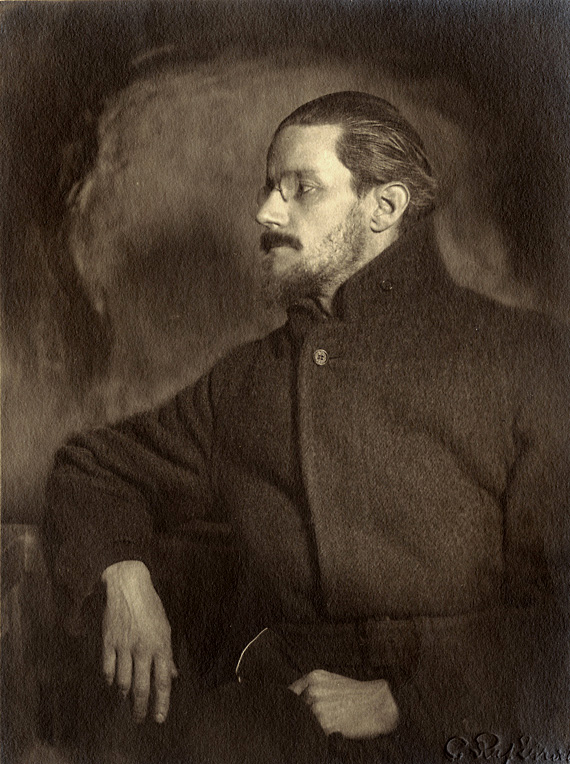
James Joyce (1882–1941) remains one of the most influential and experimental writers in the history of English literature Forever. His groundbreaking techniques and philosophical insights forever changed the structure and possibilities of fiction. With novels such as Ulysses, A Portrait of the Artist as a Young Man, and Finnegans Wake, Joyce not only redefined the modernist novel but also pushed the English language to its outermost expressive boundaries.
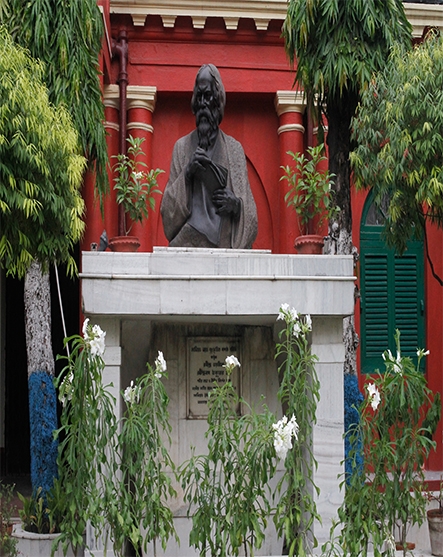
Picture : Collected
James Joyce Early Life and Education
James Joyce Born in Dublin on February 2, 1882, James Augustine Aloysius Joyce grew up in a large Catholic family. His father was once well-off, struggled financially, which deeply affected Joyce’s childhood. He was educated at Jesuit schools, including Clongowes Wood College and Belvedere College, before attending University College Dublin.
Though raised in a deeply religious environment, Joyce gradually rejected Catholic orthodoxy, choosing instead the path of artistic freedom. These early experiences with religion, identity, and authority laid the foundation for his later literary themes as well as.
James Joyce Literary Beginnings and Dubliners
James Joyce began his writing career with essays and short stories. His first major publication, Dubliners (1914), is a collection of fifteen short stories that offer stark, realistic portraits of life in early 20th-century Dublin. Stories like The Dead, Araby, and Eveline capture moments of epiphany, stagnation, and spiritual paralysis.
With the Dubliners, Joyce masterfully combined literary realism with symbolic depth. He painted the city of Dublin with such precision that he famously claimed: If the city one day suddenly disappeared from the earth, it could be reconstructed out of my books.
A Portrait of the Artist as a Young Man (James Joyce)
James Joyce Published in 1916, A Portrait of the Artist as a Young Man is a semi-autobiographical novel that charts the intellectual and emotional development of Stephen Dedalus. Through Stephen, Joyce explores the complexities of family, religion, nationalism, and artistic identity. Written in a lyrical, evolving style that reflects the protagonist’s psychological growth, the novel marked a turning point in modern literature. It introduced many readers to the stream of consciousness technique and offered a compelling vision of the artist breaking free from societal and religious constraints.
James Joyce Exile and Personal Life
James Joyce left Ireland in 1904, beginning a lifelong self-imposed exile. He lived in cities such as Trieste, Zurich, and Paris, often facing severe financial difficulties. Despite physical absence, Ireland—and particularly Dublin—remained central to his imagination. Joyce married Nora Barnacle, with whom he had two children. Nora was not a literary figure herself, but she was a steadfast partner and the inspiration behind many of Joyce’s female characters. Ulysses: A Revolution in Fiction Published in 1922 on Joyce’s 40th birthday, Ulysses is widely regarded as his magnum opus and one of the greatest novels of the 20th century. Set in Dublin over the course of a single day—June 16, 1904—the novel follows three main characters: Stephen Dedalus, Leopold Bloom, and Molly Bloom. Modelled loosely on Homer’s Odyssey, Ulysses is a dazzling exploration of human consciousness, sexuality, time, and memory. Its narrative techniques include inner monologue, shifting perspectives, and experimental prose that defy conventional storytelling. Though controversial and censored at the time of publication, Ulysses revolutionized the modern novel and expanded the limits of literary form.
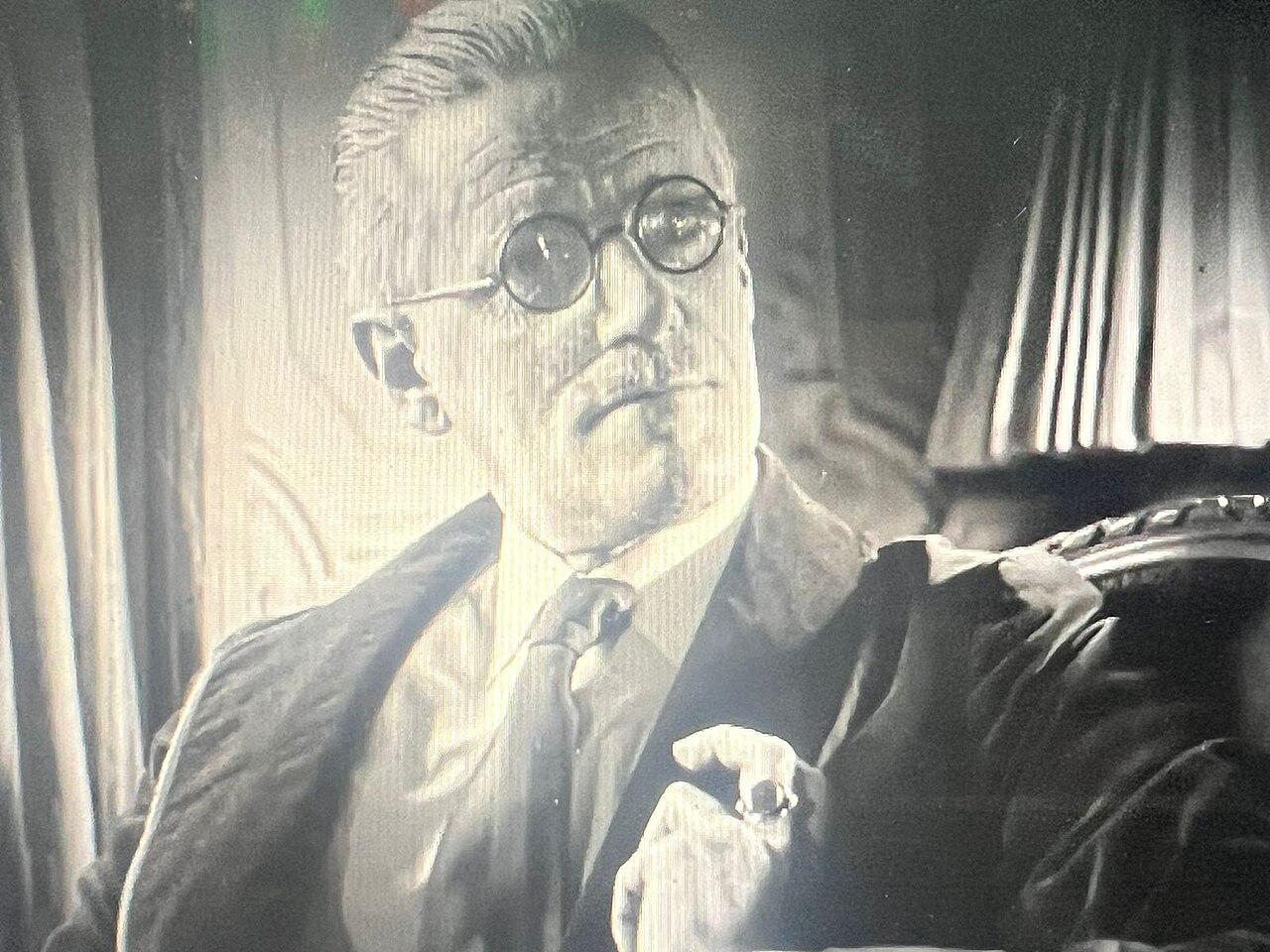
Picture : Collected
James Joyce Stream of Consciousness Technique
Joyce was one of the first authors to fully develop and popularized the stream of consciousness see the technique—a narrative style that attempts to depict the continuous flow of thoughts in a character’s mind. This innovation was especially influential in Ulysses and Finnegans Wake. By immersing readers directly into the psyche of his characters, Joyce allowed unprecedented access to their internal lives. This technique profoundly influenced later writers like Virginia Woolf, William Faulkner, and Samuel Beckett.
James Joyce Finnegans Wake: The Pinnacle of Experimental Literature
Published in 1939, Finnegans Wake is perhaps James Joyce’s most challenging and enigmatic work. Written in a dense, dream-like language full of puns, allusions, and neologisms, the novel resists traditional interpretation. Critics and readers have long debated its meaning, with some considering it a masterpiece of linguistic experimentation, while others see it as nearly impenetrable. Regardless, it remains a landmark in avant-garde literature, exploring the cyclical nature of history, myth, and language.
See More analysis or More Article about Literature … Like, Shakti Chattopadhyay, Rabindranath Tagore
Copyright © By Shamol Nath

Shamol Nath is a writter & Documentary film Director. Shamol Nath Write and made documetaries over the decade.
He mainly focus on literature and films. Write poems, story, eassy and recently write a novel etc.